
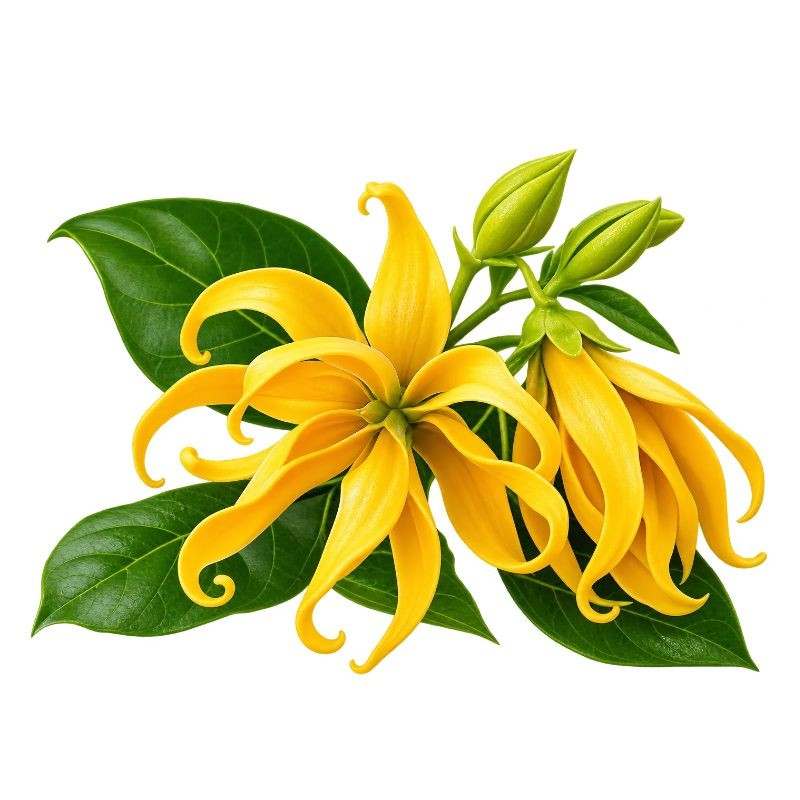
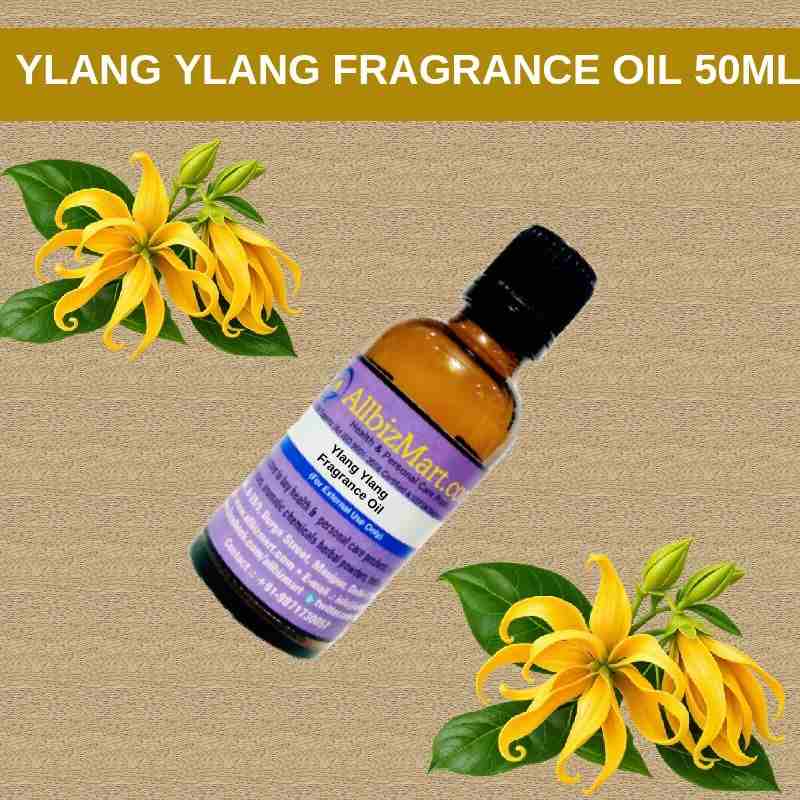
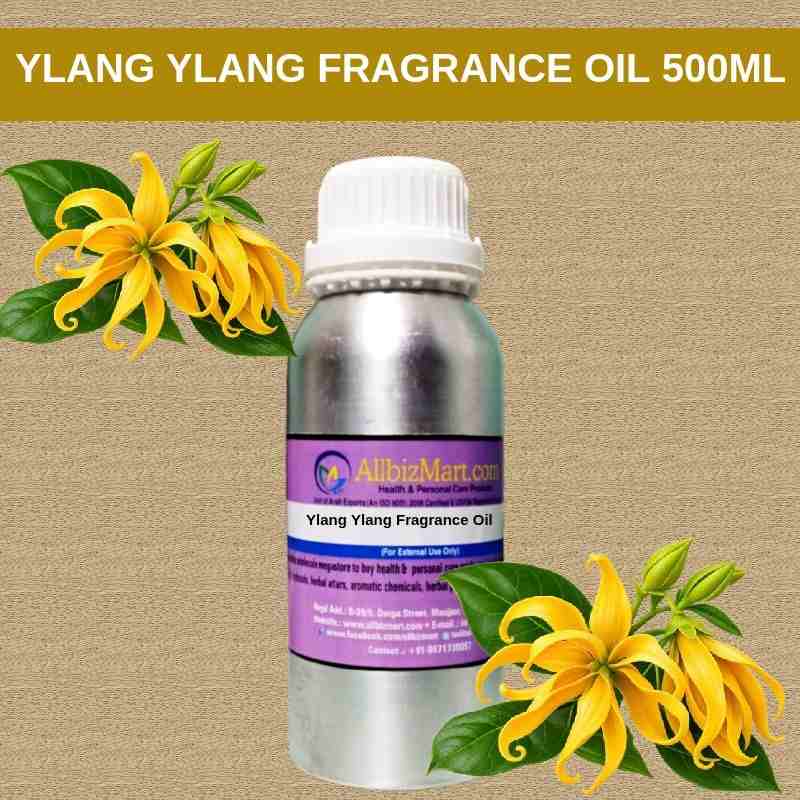

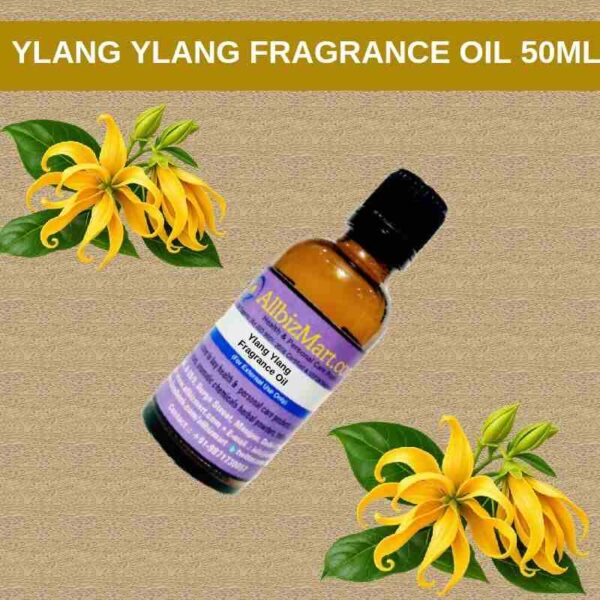
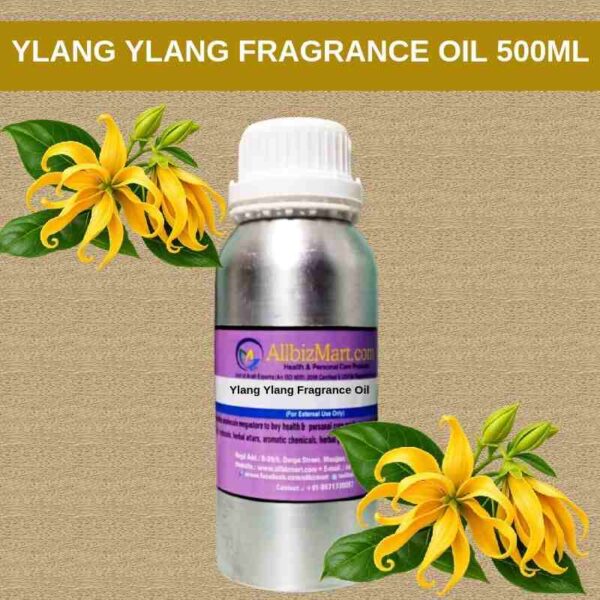

Ylang Ylang Fragrance Oil
$7.00 – $132.00
Ylang-Ylang Fragrance Oil
Ylang Ylang Fragrance Oil is a fragrance ingredient intended for suitable beauty, skincare, and personal care formulations. It provides cosmetic manufacturers and beauty brands with an option for developing specialised skincare, haircare, and body care collections. This fragrance oil can be considered for compatible facial moisturisers, hair conditioners, body creams, and other cosmetic preparations, depending on supplier-approved usage guidelines. It offers flexibility for cosmetic developers interested in expanding their personal care product ranges. Ylang Ylang Fragrance Oil can be incorporated into selected cosmetic bases after evaluating formulation compatibility and recommended application concentrations. It is suitable for professional cosmetic manufacturers, private-label businesses, and personal care brands exploring new product development concepts. From everyday beauty preparations to specialised grooming collections, this ingredient offers opportunities for creating different cosmetic products. Always follow supplier specifications, application-specific concentration limits, and appropriate cosmetic manufacturing practices when developing finished formulations.
How to Use Ylang-Ylang Fragrance Oil
1. In Facial Moisturising Cream
Ylang Ylang Fragrance Oil can be considered for compatible facial moisturising cream formulations when approved for facial leave-on applications. Select a suitable cosmetic cream base and check its compatibility with the fragrance ingredient. Measure the supplier-recommended quantity and incorporate it during the appropriate manufacturing stage. Mix thoroughly to achieve uniform distribution. Evaluate the finished cream for stability, consistency, and formulation compatibility before packaging.
2. In Hair Serum
For cosmetic hair serum development, select a suitable haircare formulation base. Confirm that Ylang Ylang Fragrance Oil is approved for the intended hair-contact application. Review the supplier’s recommended concentration and check its compatibility with the serum base. Measure the permitted quantity and incorporate it according to the formulation procedure. Blend thoroughly and assess the finished serum for stability and compatibility.
3. In Body Butter
Ylang Ylang Fragrance Oil can be explored in compatible cosmetic body butter formulations. Choose a suitable cosmetic butter base and verify that the fragrance is approved for leave-on body care applications. Measure the recommended quantity and add it during the appropriate manufacturing stage. Blend consistently until evenly distributed. Evaluate the finished body butter for stability and formulation compatibility.
4. In Hair Nourishing Cream
For hair nourishing cream development, choose a compatible cosmetic cream base. Confirm that Ylang Ylang Fragrance Oil is approved for the intended haircare application. Check the supplier’s recommended usage concentration and measure the permitted quantity. Incorporate it during the appropriate formulation stage and mix thoroughly. Evaluate the finished cream for consistency, stability, and compatibility before packaging.
5. In Cosmetic Hand Lotion
Ylang Ylang Fragrance Oil can be considered for compatible cosmetic hand lotion formulations. Select a suitable hand care lotion base and check whether the fragrance is approved for leave-on applications. Measure the recommended quantity and introduce it during the appropriate manufacturing stage. Blend thoroughly for even distribution. Assess the final lotion for stability and formulation compatibility.
6. In Body Cleansing Gel
Choose a suitable cosmetic body cleansing gel base for this application. Verify that Ylang Ylang Fragrance Oil is approved for the intended rinse-off use. Measure the supplier-recommended quantity and incorporate it during the appropriate manufacturing stage. Mix consistently to achieve uniform distribution. Evaluate the finished cleansing gel for compatibility, stability, and consistency before packaging.
7. In Hair Leave-In Conditioner
Ylang Ylang Fragrance Oil can be explored in compatible leave-in conditioner formulations when approved for the intended haircare application. Select a suitable conditioning base and review the supplier’s usage guidelines. Measure the permitted quantity and incorporate it during the appropriate manufacturing stage. Mix thoroughly and evaluate the finished conditioner for stability and compatibility.
8. In Cosmetic Body Lotion
For cosmetic body lotion development, select a compatible lotion base. Confirm that Ylang Ylang Fragrance Oil is approved for the intended leave-on application. Measure the recommended quantity and introduce it during the suitable manufacturing stage. Blend evenly to achieve consistent distribution. Evaluate the finished lotion for stability, compatibility, and formulation consistency before packaging.
9. In Hair Cream Conditioner
Ylang Ylang Fragrance Oil can be incorporated into compatible hair cream conditioner formulations when approved for the intended haircare use. Select a suitable cosmetic conditioning base and check its compatibility with the fragrance. Measure the recommended quantity and add it during the appropriate mixing stage. Blend thoroughly and assess the finished preparation for stability.
10. In Body Cleansing Lotion
Select a suitable cosmetic body cleansing lotion base for incorporating Ylang Ylang Fragrance Oil. Confirm that the fragrance is approved for rinse-off applications. Measure the permitted quantity according to supplier recommendations. Introduce it during the appropriate manufacturing stage and mix thoroughly. Evaluate the finished cleansing lotion for stability, consistency, and compatibility before introducing it into a personal care collection.
Frequently Asked Questions
Q1. What is Ylang Ylang Fragrance Oil?
Ans: It is a fragrance ingredient intended for compatible cosmetic formulations.
Q2. What are its main beauty applications?
Ans: It can complement suitable skincare, haircare, and body care preparations.
Q3. Can it be incorporated into facial moisturising creams?
Ans: Compatible facial cream formulations may include it within approved concentration limits.
Q4. Is it suitable for cosmetic hair serums?
Ans: Its suitability depends on haircare approval and formulation compatibility requirements.
Q5. Can manufacturers use it in body butter?
Ans: Compatible body butter formulations may accommodate it following supplier recommendations.
Q6. Can Ylang Ylang Fragrance Oil be added to nourishing creams?
Ans: Suitable haircare cream formulations may incorporate it within approved limits.
Q7. Is it appropriate for cosmetic hand lotions?
Ans: Its application depends on compatibility with the selected lotion formulation.
Q8. Can it be used in body cleansing gels?
Ans: Compatible cleansing gel formulations may include it following supplier guidelines.
Q9. Is it suitable for leave-in conditioners?
Ans: Its suitability depends on approval for the intended haircare application.
Q10. Can it be incorporated into body lotions?
Ans: Compatible body lotion bases may accommodate it within recommended concentration limits.
Q11. Can cosmetic manufacturers use it in hair cream conditioners?
Ans: Manufacturers can explore compatible hair conditioning formulations following supplier recommendations.
Q12. Is it appropriate for body cleansing lotions?
Ans: Its application depends on compatibility with the selected cleansing formulation.
Q13. Can beauty brands include it in skincare collections?
Ans: Beauty brands can explore it for specialised personal care ranges.
Q14. What determines its recommended cosmetic usage quantity?
Ans: Supplier specifications and application-specific fragrance limits determine appropriate formulation concentrations.
Q15. How should Ylang Ylang Fragrance Oil be stored?
Ans: Keep tightly sealed in a cool, dry storage location.
| Weight | N/A |
|---|
You must be logged in to post a review.


Reviews
There are no reviews yet.